Blog
Sign Language Interpreter and American Sign Language (ASL) Resources and Articles

21 Idioms in English and Their Meanings (Part 2: Animal Edition)
As interpreters, we are constantly sharpening our skills to prepare for the work ahead. Whether byresearching a presenter’s background, brushing up on specialized vocabulary, reviewing region-specificsign variants, or even memorizing song lyrics -- our assignments...

ASL Interpreting: Interpreter Burnout – The Burn is Real!
In a prior NIR Blog, “Secondary Traumatic Stress – The High Cost of Caring”, Burnout was referenced as a potential side effect of the emotional and physical pain and/or suffering brought on by Secondary Traumatic Stress. For this Blog, Burnout will be the primary...

ASL Interpreting: Visual De-stressing for Interpreters – Part Three
American Sign Language Interpreters often face daily work-related stressors due to traumatic experiences, imagery, retelling, and events that may arise in any interpreting settings. Since our emotional mind and physiological body are intimately intertwined and...

ASL Interpreting: American Sign Language Fingerspelling 101
An integral part of American Sign Language is the use of hand shapes, known as the "manual alphabet", to represent each letter in the English alphabet. Fingerspelling is the process of spelling out words, by using hand shapes from the “manual alphabet” that correspond...

ASL Interpreting: Visual De-stressing for Interpreters – Part Two
American Sign Language Interpreters often face daily work-related stressors due to traumatic experiences, imagery, retelling, and events that may arise in any interpreting settings. Since our emotional mind and physiological body are intimately intertwined and...
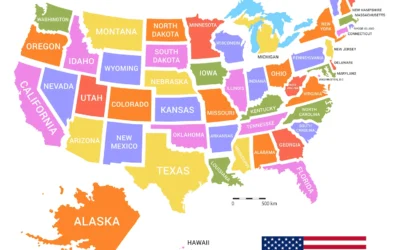
ASL Interpreting: States Requiring ASL Interpreter Licensure
While there is not a national requirement for licensure for American Sign Language Interpreters practicing in the United States, many individual states have the requirement for licensure, and/or other unique provisions. Please see the list below for the requirements...

ASL Interpreting: Visual De-stressing for Interpreters – Part One
American Sign Language Interpreters often face daily work-related stressors due to traumatic experiences, imagery, retelling, and events that may arise in any interpreting settings. Since our emotional mind and physiological body are intimately intertwined and...

ASL Interpreting: Settings Abound!
The field of American Sign Language Interpreting offers opportunities in a variety of settings. Those who are curious about the field, new to the field, or a layperson may not be aware of the multitude of settings in which an ASL Interpreter may find themselves. The...

ASL Interpreting: CEUs 101
American Sign Language Interpreters who are Certified by Registry of Interpreters for the Deaf (RID) are required to adhere to a Certificate Maintenance Program (CMP), per the RID website (RID.org): Members must maintain their certification through continuing...

Rx Medications: Toolkit List for ASL Interpreters Part Two – G to Z
Any Sign Language interpreter who has worked in the medical field knows that the discussion of medications is to be expected during virtually all medical assignments. They may be spouted off in a list by the Deaf client, or the medical staff, or they may be mentioned...

In Honor of Mentors
“A mentor is someone who allows you to see the hope inside yourself.” — Oprah Winfrey When you are new to the field of interpreting, every step can feel precarious. At times, the work is intense and unpredictable. A mentor can make all the difference. I have...

Rx Medications: Toolkit List for ASL Interpreters Part One – A to F
Any Sign Language interpreter who has worked in the medical field knows that the discussion of medications is to be expected during virtually all medical assignments. They may be spouted off in a list by the Deaf client, or the medical staff, or they may be mentioned...